

Let’s be honest: most of us turn into mildly feral creatures when we’re hungry. One skipped lunch and suddenly everything is personal. The Wi-Fi glitch? Personal. The person breathing too loud? Personal.
But then there are those mysterious unicorns who can go hours without food and somehow remain calm, focused, and not emotionally unhinged. You know the type—your friend who says, “Oh, I forgot to eat lunch,” while you’re three granola bars away from committing a crime.
So what’s their secret? Why do some people stay zen while others spiral into full-blown hanger?
First: What Even Is “Hangry”?
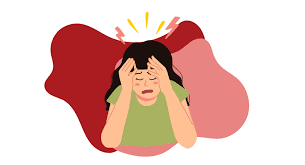
“Hangry” = hungry + angry, and it’s not just a meme. It’s a legitimate physiological response that blends low blood glucose with emotional dysregulation.
When you go too long without eating, your blood sugar drops. The brain, which depends on glucose for fuel, starts to panic. Since your brain can’t send a polite email about it, it releases stress hormones—adrenaline and cortisol—to demand energy.
Result:
- You get snappy.
- You overreact.
- Tiny inconveniences suddenly feel catastrophic.
In other words, hanger is your brain’s not-so-subtle way of saying “Feed me or suffer.”
The Brain Chemistry of Hanger
When blood sugar dips, the hypothalamus (your hunger regulator) sounds the alarm. It then signals the amygdala (emotion center) and brainstem, which handle fight-or-flight.
Add in cortisol (stress hormone) and epinephrine (adrenaline), and suddenly your body is acting like low blood sugar is a life-or-death situation.
That’s why hanger doesn’t just make you grumpy—it makes you reactive. Studies show people with low blood sugar perform worse on tasks involving patience, empathy, and impulse control. Translation: the lower your glucose, the higher your odds of snapping at your innocent sibling for breathing wrong.
So Why Do Some People Stay Chill?
Here’s where the mystery gets interesting. Not everyone gets hangry, and science actually has a few reasons why.
1. Stable Blood Sugar = Stable Mood
Some people are just metabolically lucky. Their glucose homeostasis (the ability to keep blood sugar steady) is rock solid.
That means even if they skip lunch, their blood sugar doesn’t plummet fast enough to trigger panic mode. Their body efficiently releases glucose from liver stores (via glycogenolysis) or burns fat for energy before the brain even notices.
In contrast, people prone to hanger may have bigger glucose “swings.” One sugary meal can spike insulin, which then overshoots and drops blood sugar too low—cue the meltdown.
2. The Serotonin Connection
Serotonin isn’t just the “happiness” chemical—it also stabilizes mood and appetite. People with higher baseline serotonin (or more balanced receptor sensitivity) handle hunger better because their emotional regulation circuits are sturdier.
When serotonin levels drop with hunger, mood control tanks. But in hangry-resistant people, the drop barely registers.
It’s like emotional noise-cancelling headphones: same trigger, different reaction.
3. Amygdala vs. Prefrontal Cortex Showdown
If you’ve read my Anatomy Spotlight: Amygdala post, you already know it’s the drama queen of the brain. It reacts fast and loud to perceived threats—including hunger.
But the prefrontal cortex (logic, reasoning, “let’s not yell at our friend over chips”) can override it. Some people have a prefrontal cortex that’s extra good at regulating amygdala overreactions.
Basically: hangry-proof people are better at keeping their emotional brain on a leash.
4. The Stress Response Factor
Your stress reactivity plays a role too. If you’re naturally more anxious or your body tends to overproduce cortisol, hunger amplifies that response. But people with lower baseline stress reactivity (calmer HPA axis activity) experience hunger as “a little annoying” instead of “end of the world.”
In one 2018 study, researchers found that people who are less prone to stress-induced cortisol spikes also report fewer “hangry” moments. Their brains register hunger, but the alarm bells never go full volume.
5. Gut-Brain Communication
Your gut is basically your second brain, loaded with neurons and microbiota that help regulate appetite, mood, and inflammation. A well-balanced gut microbiome releases chemicals (like short-chain fatty acids) that help stabilize mood and energy levels.
So if your gut is thriving, your hunger signals are smoother—and less dramatic. But if your gut bacteria are off-balance (from stress, poor diet, or lack of sleep), your hunger cues can feel chaotic.
Fun fact: Some gut bacteria even help regulate ghrelin, the “I’m starving” hormone. People who don’t get hangry may simply have gut bacteria that whisper “hey, time to eat soon” instead of screaming “NOW OR ELSE.”
6. Personality Plays a Role
No surprise here—personality traits matter. Studies link agreeableness and conscientiousness with fewer hangry reactions. Meanwhile, people high in neuroticism (a tendency toward anxiety and irritability) are more likely to interpret hunger as emotional distress.
In other words: some people just take hunger personally.
Why It’s Not Just About Food
The hanger experience is basically the perfect storm:
- Low glucose → brain panic.
- Stress hormones → mood instability.
- Emotional wiring → how much you overreact.
And here’s the twist: even mild dehydration, lack of sleep, or pre-existing stress can magnify it. So if you’ve ever felt more irritable when hungry and exhausted, you’re not imagining it—your body is stacking stressors like a Jenga tower.
Real-Life Example
Picture two people stuck in traffic after skipping lunch:
- Person A is gripping the wheel like it owes them money, muttering threats at every red light.
- Person B is just vibing to the radio, calmly planning what to order for dinner.
Same hunger, same stress. Different neurobiology.
Person B’s blood sugar is stable, cortisol low, and prefrontal cortex still running the show. Person A’s system? Full mutiny.
Can You Train Yourself Out of Hanger?
Pretty much, yes. Here’s how:
- Don’t let yourself crash: small protein-rich snacks keep blood sugar even.
- Cut back on sugar spikes: pair carbs with fat or protein to avoid insulin rollercoasters.
- Manage stress overall: lower cortisol = less emotional chaos when hungry.
- Stay hydrated: dehydration mimics low blood sugar symptoms.
- Mindfulness practice: recognizing “I’m hungry” vs. “I’m losing my mind” helps the prefrontal cortex step in sooner.
The Bottom Line
Hanger isn’t weakness—it’s wiring. Some people’s brains handle hunger like a minor inconvenience. Others treat it like an existential crisis.
So if you’re someone who spirals into chaos when you skip lunch, it doesn’t mean you lack discipline—it means your hormones, glucose balance, and emotional circuits are doing exactly what they’re wired to do.
And if you’re one of those rare calm, unbothered, hunger-proof humans? Congrats. Your brain is probably a little better at crisis management than the rest of ours.
Just… maybe don’t brag about it while the rest of us are hangry.






 Mind & Medicine
Leave a comment