
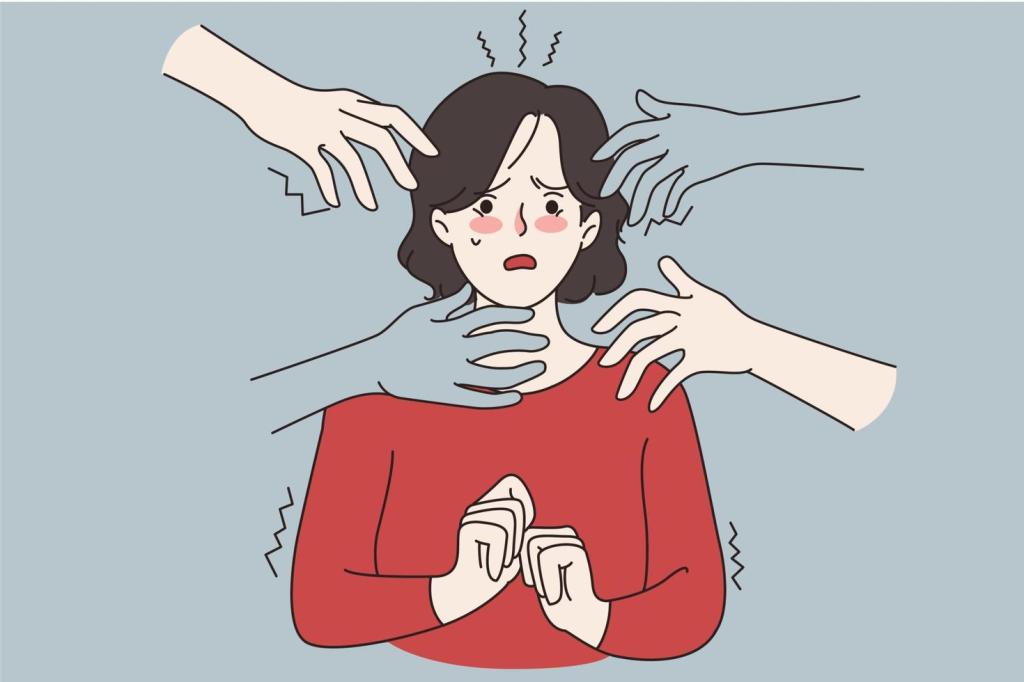
Your heart’s racing, your chest feels tight, and your brain is screaming something is wrong—except nothing actually is. That’s what a panic attack feels like: your body pressing the fire alarm during a perfectly normal Tuesday.
The good news? Neuroscience can actually explain why panic attacks happen—and knowing the “why” makes them a little less mysterious.
First: What Is a Panic Attack?
A panic attack is a sudden surge of intense fear or discomfort, usually peaking within 10 minutes. Symptoms can include:
- Heart pounding like you just sprinted a mile.
- Shortness of breath, like you can’t get enough air.
- Chest pain or tightness.
- Dizziness, nausea, or feeling detached from reality.
- A very convincing sense that you’re about to die (you’re not, but your brain is dramatic).
It’s different from regular stress or anxiety. Panic attacks feel like your body has gone rogue, hitting the red emergency button with zero warning.
A Quick History Detour
Panic attacks weren’t even officially recognized until about 150 years ago. In the late 1800s, doctors saw patients with sudden chest pain, racing hearts, and gasping for air. Naturally, they thought—heart attack. But the tests showed nothing was wrong with the heart.
It wasn’t until the 20th century that psychiatrists realized these episodes were brain-driven, not heart-driven, and labeled them “panic attacks.” Even today, many people end up in the ER during their first one, convinced something is fatally wrong. That’s how convincing the biology is.
The Brain Circuits Behind the Chaos
So what’s actually going on up there? Three big players (plus a surprise guest star) team up to create the panic attack experience:
- The Amygdala (Your Fear Alarm)
This almond-shaped structure is your brain’s threat detector. When it thinks you’re in danger, it floods your system with fight-or-flight signals. In panic attacks, the amygdala misfires—pulling the alarm when there’s no fire. - The Hypothalamus (Your Stress Manager)
Once the amygdala panics, the hypothalamus kicks in, activating your sympathetic nervous system. That’s the system that makes your heart race, your breathing quicken, and your palms sweat. Basically, it preps you to fight a bear… even if you’re just sitting in math class. - The Prefrontal Cortex (Supposed to Be the Voice of Reason)
Normally, your prefrontal cortex calms the amygdala down: “Chill, it’s just a pop quiz, not a bear.” But during panic attacks, that system gets overpowered. The rational brain loses the argument, and fear takes the wheel. - The Insula (Your Internal Radar)
This region monitors what’s happening inside your body—your heartbeat, breathing, gut feelings. In panic disorder, the insula becomes hyper-alert, amplifying every sensation until normal changes (like a skipped heartbeat) feel catastrophic.
Add in the locus coeruleus in the brainstem (the part that pumps out norepinephrine), and you’ve got the perfect recipe for an adrenaline surge that feels like it came out of nowhere.
Why It Feels So Physical
The physical symptoms aren’t random—they’re biology doing its thing.
- Heart pounding: Adrenaline pushes blood to your muscles for a fight-or-flight response.
- Shortness of breath: Faster breathing = more oxygen, in case you need to run.
- Chest tightness: Muscles tense up, sometimes making it feel like a heart attack.
- Dizziness: Blood is being shunted to core organs and away from digestion or balance.
Your body thinks it’s preparing you to survive. You just feel like you’re in danger when you’re not.
The Feedback Loop Nobody Wants
Here’s where panic attacks spiral. You notice one symptom—say, your heart racing. The brain interprets it as danger: Oh no, something’s wrong. That thought makes you more anxious, which makes your heart race more, which makes you panic more… and suddenly you’re in a full-blown attack.
Neuroscientists call this an interoceptive feedback loop—your body and brain amplifying each other’s signals until the whole system is on overdrive.
The Triggers (and Non-Triggers)
Sometimes panic attacks are tied to obvious triggers—public speaking, exams, crowded places. Other times, they just… show up. Middle of the grocery store. At a concert. During practice.
That’s because the amygdala doesn’t always need a conscious reason. It’s like a smoke detector that goes off not just for fire, but for burnt toast, steam, or literally nothing.
The Student Angle
For students, panic attacks can sneak up in the worst places:
- In the middle of a timed test, when your heart starts pounding so loudly you can’t read the question.
- Right before a competition, when adrenaline floods your system before you’ve even started.
- Mid-presentation, when your brain decides “classroom” = “threat.”
None of these situations are life-threatening, but your amygdala doesn’t care. It reacts first and asks questions later.
Can You Actually Stop One?
Not instantly—but you can hack your nervous system. Here’s what helps, backed by science:
- Slow breathing: Inhale 4 seconds, exhale 6. Longer exhales activate your parasympathetic system, aka the chill-out mode.
- Grounding techniques: 5 things you see, 4 you touch, 3 you hear, 2 you smell, 1 you taste. This shifts focus from the panic loop to the present.
- Progressive muscle relaxation: Tense and release muscles to tell your body, “Hey, the bear’s not real.”
- Remind yourself: “This will peak and pass.” Because it always does.
The goal isn’t to magically shut off the amygdala—it’s to remind the prefrontal cortex it still has a voice.
Long-Term Brain Rewiring
Here’s the hopeful part: panic attacks aren’t permanent brain glitches. Thanks to neuroplasticity (your brain’s rewiring trick), you can retrain those circuits.
- Cognitive Behavioral Therapy (CBT) helps people reframe catastrophic thoughts so the prefrontal cortex gets stronger at calming the amygdala.
- Mindfulness and meditation reduce overall amygdala reactivity. (Science has literally shown the amygdala shrinks in people who practice regularly.)
- Exercise balances stress hormones and boosts hippocampal health, making the brain more resilient overall.
- Medication options: SSRIs (selective serotonin reuptake inhibitors) regulate serotonin pathways involved in anxiety. Beta-blockers can reduce the physical symptoms like rapid heartbeat. Both target the circuits driving panic.
Your brain isn’t locked into panic mode forever—it can rewire.
The Big Picture
Panic attacks aren’t “all in your head” in the dismissive way people sometimes say. They’re in your brain and your body, firing off ancient survival systems at the wrong time.
And knowing that doesn’t just give perspective—it gives tools. Because once you realize your brain is pressing the panic button by mistake, you can start teaching it when to press it for real, and when to just let you breathe.






 Mind & Medicine
Leave a comment