
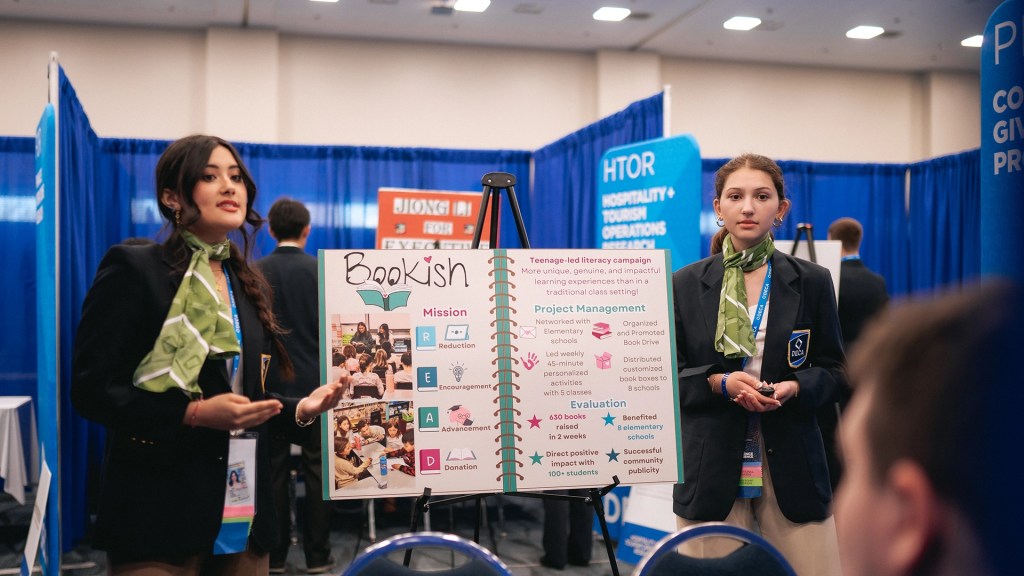
Every DECA competitor has a first year horror story. Maybe you blanked on your role play, maybe you bubbled the wrong answer on half the exam (shoutout to the kid next to me who panicked halfway through and erased all of C’s), or maybe you thought a blazer was optional. Spoiler: it’s not. Rookie mistakes are basically a rite of passage—but you don’t have to repeat them. I’ve made most of them myself, so let me save you the stress. Here are the biggest rookie errors people make in DECA—and how to dodge them like a pro.
Mistake #1: Treating the Exam Like an Afterthought
So many new competitors think the role play is everything. Wrong. The exam is literally half your score. I’ve seen insanely good role plays get tanked by a low exam grade. Rookie me? I didn’t touch a single practice test until two days before districts. The result? Let’s just say my “marketing knowledge” was mostly vibes.
How to dodge it: Take at least one practice test early. Not to ace it—just to see what you don’t know. Then turn every wrong answer into a flashcard. Even if you only squeeze in 15 minutes of Quizlet a day, it adds up fast.
Mistake #2: Memorizing Role Plays Instead of Learning the Structure
Another classic: rookies try to script the “perfect” role play. They spend hours writing out answers word-for-word…only to get a totally different scenario and freeze. I know because I did this. Sophomore year I spent a whole Sunday scripting for a hospitality event, and my actual prompt ended up being about financial forecasting. Did I know anything about forecasting? Nope.
How to dodge it: Stop scripting and build a skeleton. Memorize the structure: intro, restate the problem, three solutions, why they work, conclusion. That skeleton works for any prompt. Plug and play your ideas in real time.
Mistake #3: Ignoring Performance Indicators
Those little lines at the top of your role play prompt? Yeah, those are performance indicators—and they’re gold. Rookie mistake is to skim them once and then ignore them in the actual presentation. Judges grade you on them, so if you don’t hit them, you’re basically handing over easy points.
How to dodge it: Make a checklist in your notes page before you start your role play. Literally write the indicators down and cross them off as you go. Not only does it keep you organized, but it also shows the judge you know what matters.
Mistake #4: Talking Too Fast (or Too Little)
Here’s what happens: nerves hit, and rookies either speed through their whole role play in four minutes or they freeze and give a one-minute answer. Both cost you points. I once watched a competitor speed-run their solutions like they were in a TikTok recap, and the judge barely had time to nod.
How to dodge it: Practice pacing. Time yourself. Aim for 7–10 minutes in practice so that in competition, even if you rush, you’ll still land in the sweet spot. And remember—pausing to breathe actually makes you sound more confident.
Mistake #5: Forgetting the Basics (Handshakes, Names, Eye Contact)
You’d think this is obvious, but adrenaline does weird things. Rookies forget to shake hands, forget to introduce themselves, or avoid eye contact completely. I once got so nervous that I forgot to even tell the judge my name. Not exactly CEO material.
How to dodge it: Have a default script. Walk in, shake hands, smile, and say: “Hi, my name is [insert name], thank you for meeting with me today.” Practice it until it’s automatic. First impressions count way more than you think.
Mistake #6: Underestimating the Power of Presentation
Yes, DECA is about business knowledge—but let’s be real: it’s also a performance. Rookie mistake is to focus so much on content that you forget delivery. Monotone, slouching, or reading off notes is a fast way to lose a judge’s attention.
How to dodge it: Think of it as theater. Smile, use your hands, change your tone. Even if your solutions aren’t perfect, strong delivery makes you sound like you know what you’re doing. Judges remember confidence more than they remember jargon.
Mistake #7: Forgetting That Judges Are People
Rookies often treat judges like scary robots who are out to get them. They’re not. They’re teachers, businesspeople, or random volunteers who are giving up their Saturday. If you act like you’re terrified of them, the whole thing gets more awkward.
How to dodge it: Humanize the judge. Smile, make eye contact, and engage them like you would a teacher or coach. If they laugh at your joke, roll with it. If they nod, lean into that point. Remember—it’s a conversation, not an interrogation.
Mistake #8: Overpacking Your Schedule
This one’s more behind-the-scenes. Rookies sign up for a million events, sports, and schoolwork and assume they’ll have time to prep for DECA later. Spoiler: later never comes. By competition week, you’re cramming role plays at midnight and panicking.
How to dodge it: Be realistic. You don’t need ten hours a week of prep—but you do need consistency. Block out two or three short sessions each week. And if your schedule is insane, integrate prep into what you’re already doing (flashcards in the car, role plays with a friend at lunch).
Mistake #9: Forgetting the “Look” Matters
It feels shallow, but appearance plays a role. Rookies sometimes show up without a blazer, in wrinkled clothes, or with sneakers that scream “I rolled out of bed.” First impressions matter—and judges notice.
How to dodge it: Invest in the DECA uniform (blazer, nice shirt, dress pants/skirt, polished shoes). Lay it out the night before so you’re not panicking on competition morning. Looking the part helps you feel the part.
Mistake #10: Panicking When Things Go Wrong
Every DECA competition has that moment. The judge asks something you don’t know. Your mind goes blank. Your solution suddenly sounds stupid. Rookies usually panic, freeze, and cut the role play short.
How to dodge it: Practice improv. If you don’t know the answer, redirect. Say, “That’s a great point—here’s how I’d address it,” and pivot back to your strengths. Judges don’t expect perfection; they expect problem-solving. Show resilience, and you’ll impress them more than if you nailed every fact.
Final Word
Rookie mistakes are part of the game, but they don’t have to define you. Most competitors (including me) have botched a role play, flunked a test, or walked in without confidence. The key is learning fast and adapting. If you can dodge even half of these mistakes, you’ll be miles ahead of where I was my first year. And honestly? Making some mistakes is good—it gives you stories to tell later. Just maybe don’t let “forgot my blazer” be one of them.







 Mind & Medicine
Leave a comment